Cuban Cigars 101: A Beginner’s Guide to Brands, Types, and Characteristics of Cuban Cigars
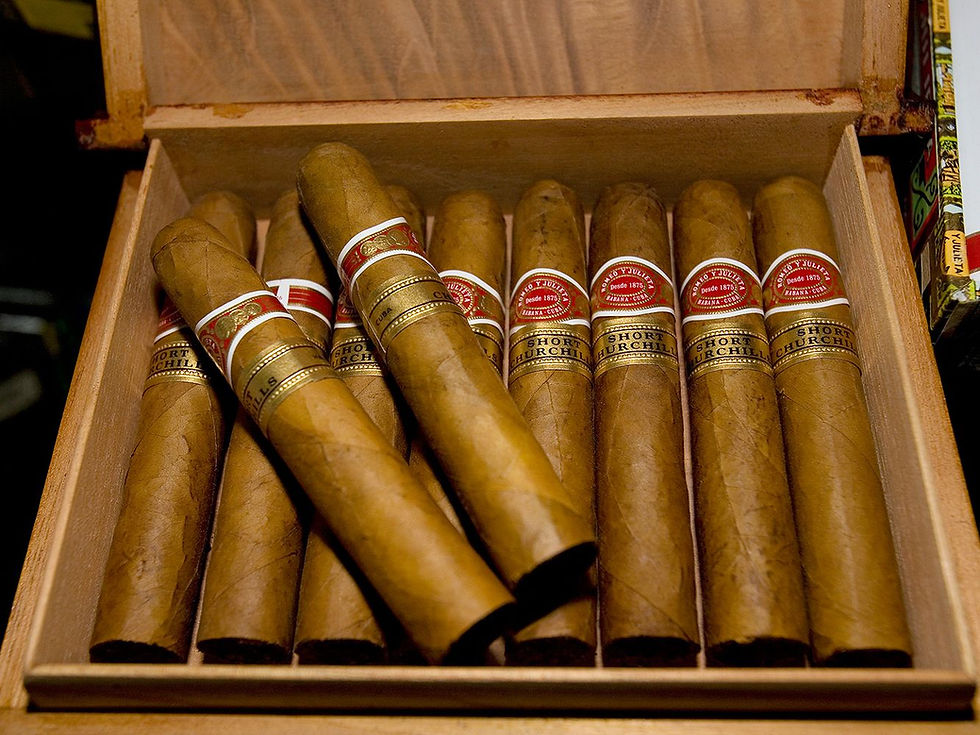
Entering the world of Cuban cigars can be a confusing experience for many beginners, especially when they first encounter the wide range of options in specialist shops. Differences between brands, formats, and even identical vitola names such as “Churchill” across different manufacturers can create the impression of a highly complex category. However, basic elements such as brand, size, color, and shape can significantly simplify understanding and help in choosing the right cigar.
The cigar brand refers to the name given by the manufacturer to its product line. Well-known names include Partagas, Punch, Montecristo, Macanudo, and Davidoff. This name is most often found on the cigar band that wraps around the closed end.
It is important to understand that the same brand name can exist in both Cuban and non-Cuban versions, a result of historical developments after the Cuban Revolution in 1959, when some manufacturers left Cuba but retained rights to their brand names outside the island, while Cuba kept the rights for domestic production. As a result, the same brand names may appear in different countries of origin, while Cuban versions often carry the “Havana” or “Habano” designation on the band.
One of the most important visual elements of a cigar is the color of its wrapper. This refers to the shade of the tobacco leaf used for the outer layer and has a strong influence on flavor and aroma. Although there are many variations, the industry most commonly recognizes six main categories. Lighter shades such as Claro Claro (also known as Candela) are achieved through a heat-drying process designed to preserve chlorophyll in the leaf. Claro wrappers are light brown and known for their mild flavor, while Colorado ranges from medium to reddish-brown tones with a more pronounced aroma. Natural is light to medium brown, Maduro refers to a darker, longer-fermented leaf with a richer flavor, and Oscuro represents the darkest variety, left the longest on the plant before harvest and characterized by the most intense profile.
Beyond color and brand, cigar size and shape known as vitola play an important role in understanding cigars. Dimensions are determined by length and ring gauge (diameter). Cigars are generally divided into two main categories: straight (parejos) and shaped (figurados). Parejos have a classic cylindrical form with an open foot that is cut before smoking. This category includes formats such as Corona, Robusto, Churchill, and Toro, each offering different combinations of length and thickness. Figurados, on the other hand, feature irregular or tapered shapes such as pyramids, torpedoes, or perfectos, often with a closed or narrowed head, which affects the draw and the way flavors develop during smoking.
The structure of a cigar consists of three main components: filler, binder, and wrapper. The filler forms the core of the cigar and is made of tobacco leaves that may come from different parts of the plant and different regions, while the binder holds the cigar’s structure together. The outer wrapper is the most visible part and contributes significantly to the overall flavor and aroma of the product.
The uniqueness of Cuban cigars lies in the fact that they are made exclusively from 100% Cuban tobacco, without blending with other origins. This factor, combined with a long tradition of cultivation and hand-rolling that dates back centuries, is often cited as the reason for their high reputation among cigar enthusiasts. Quality depends not only on the plant itself but also on the precise timing of harvest and processing, which reflects the long-standing expertise of Cuban producers. While there is no universally “best” Cuban cigar, certain brands are frequently highlighted among recommendations. These include Cohiba Behike, Partagas 898, Bolivar Coronas, and H. Upmann, each known for its distinct characteristics and reputation. Ultimately, the choice depends on personal preference and the smoker’s experience level.
Finally, it is important to mention the issue of counterfeiting. Due to the high value of Cuban cigars, the market is flooded with fake products that can sometimes be difficult to distinguish from authentic ones. For this reason, caution is advised when purchasing, including checking box markings and being familiar with official seals and verification systems that help confirm authenticity.
Pictures: My Cigar Site


Comments